The first pillar
Safety (Psychological)
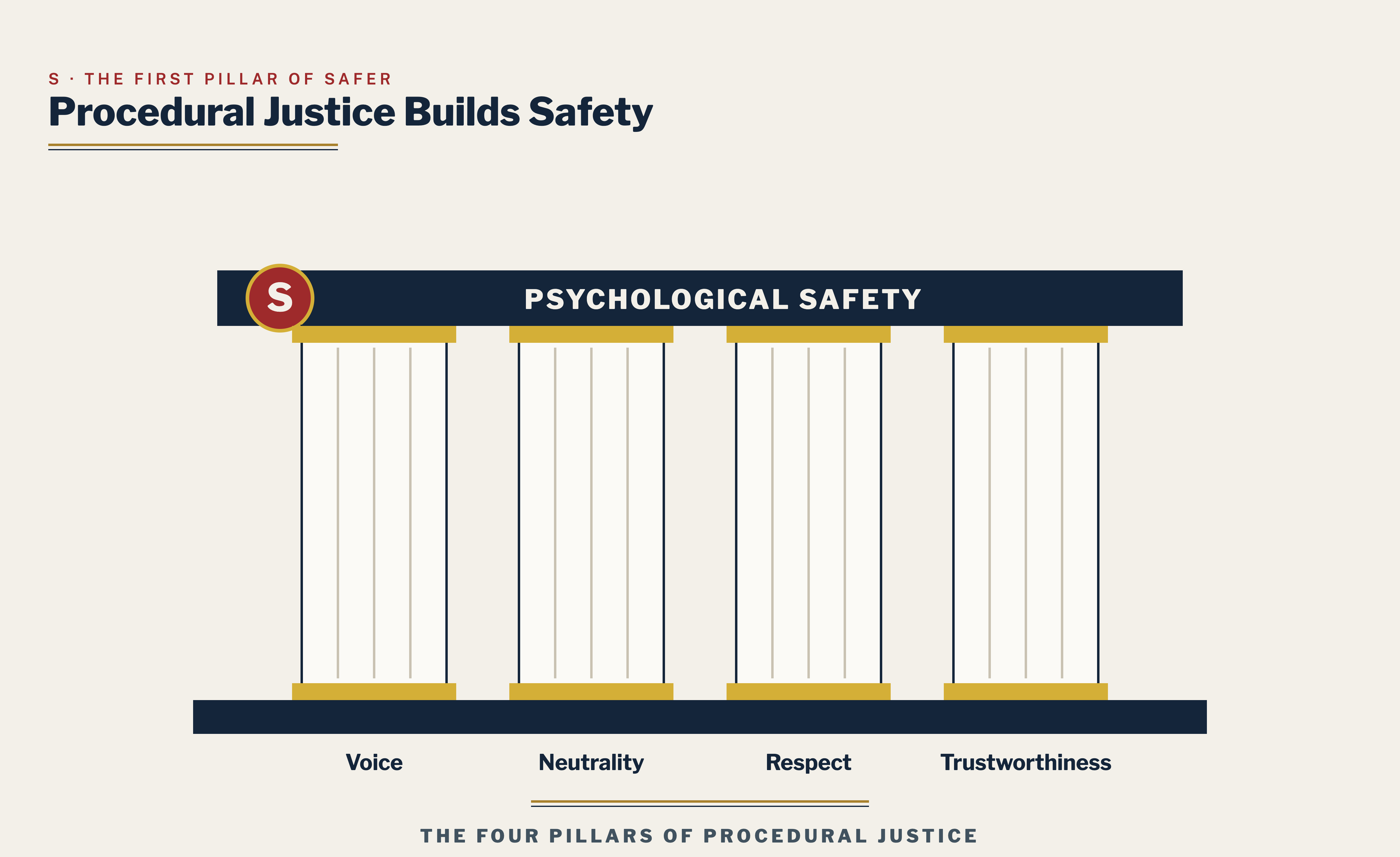
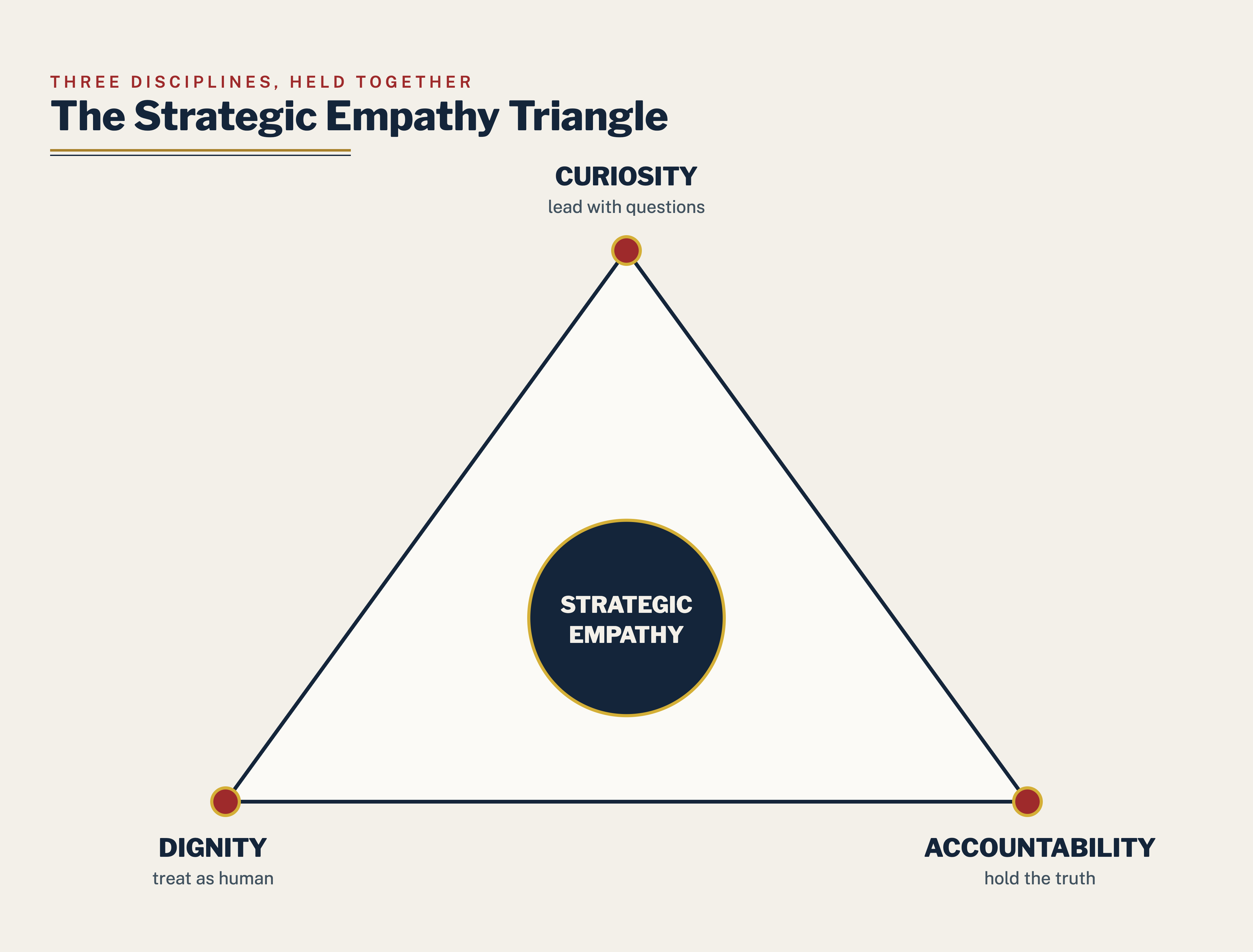
Nothing else works until a person feels safe enough to talk. Safety is built with procedural justice (voice, neutrality, respect, trust), early rapport, and holding space: staying present without rushing or reacting.
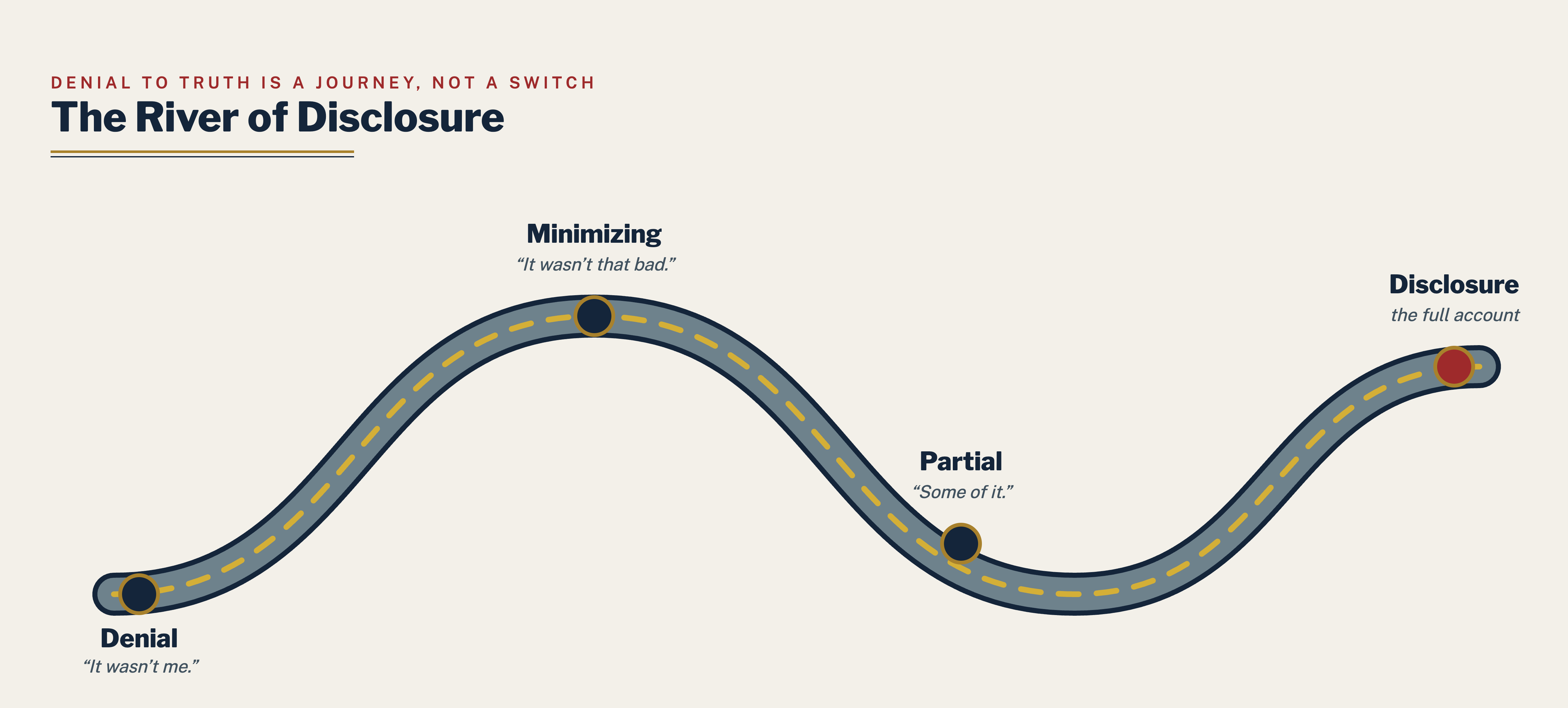
Fairness is not weakness. It is what makes cooperation rational for the person in the chair. Disclosure flows like a current; your job is to keep it moving, not to force it.
Belonging is built one calm exchange at a time.
The second pillar
Accountability Without Humiliation
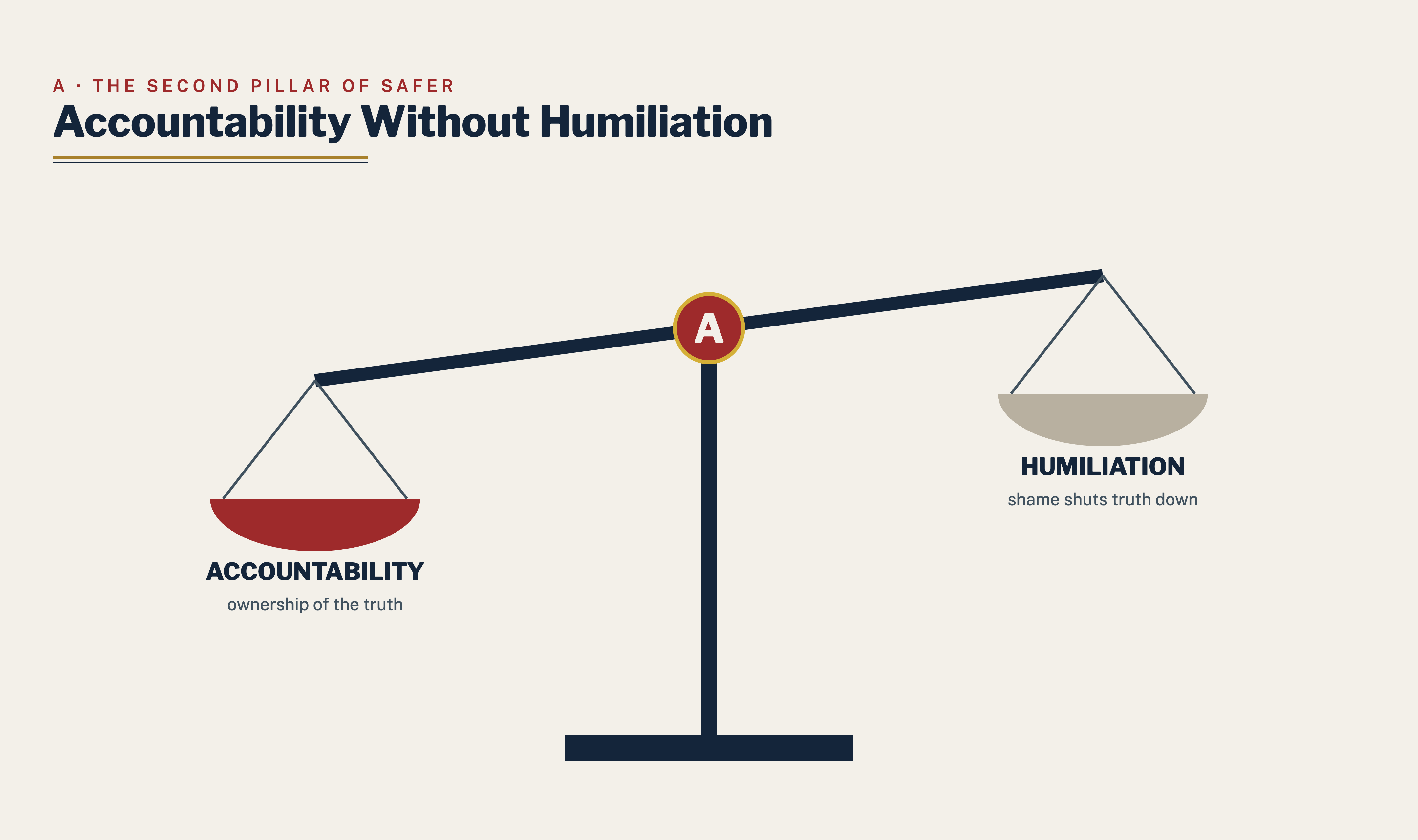
Hold the truth without crushing the person who holds it. The accountability scale balances truth on one side and dignity on the other. Tip too far toward humiliation and the account stops.
You can hold someone fully accountable and still treat them as human. Keep the moral weight on the act, not on a personal attack. Avoid the moral lecture: it relieves your tension and ends their disclosure.
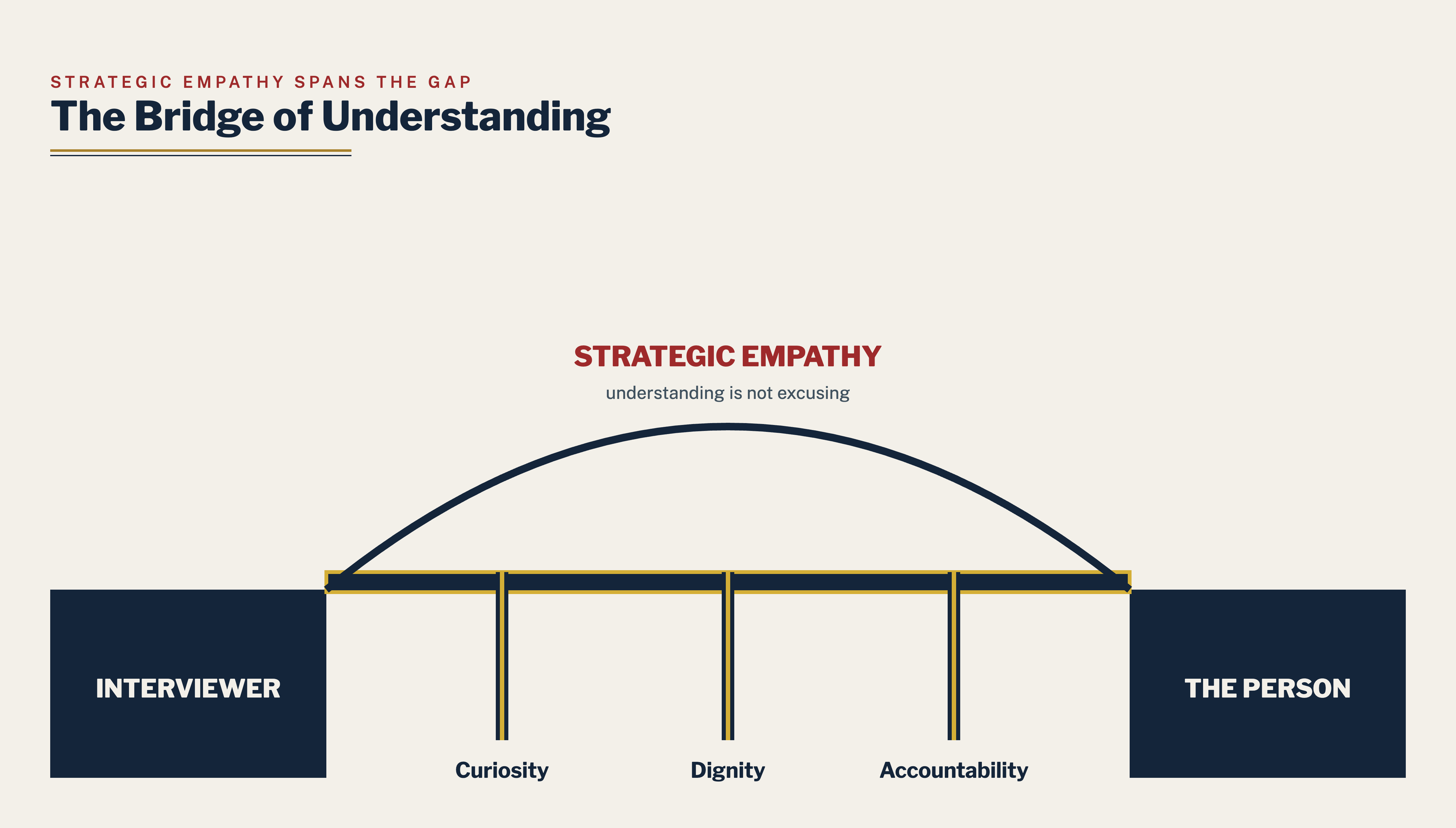
Understanding is not excusing.
The third pillar
First Experiences
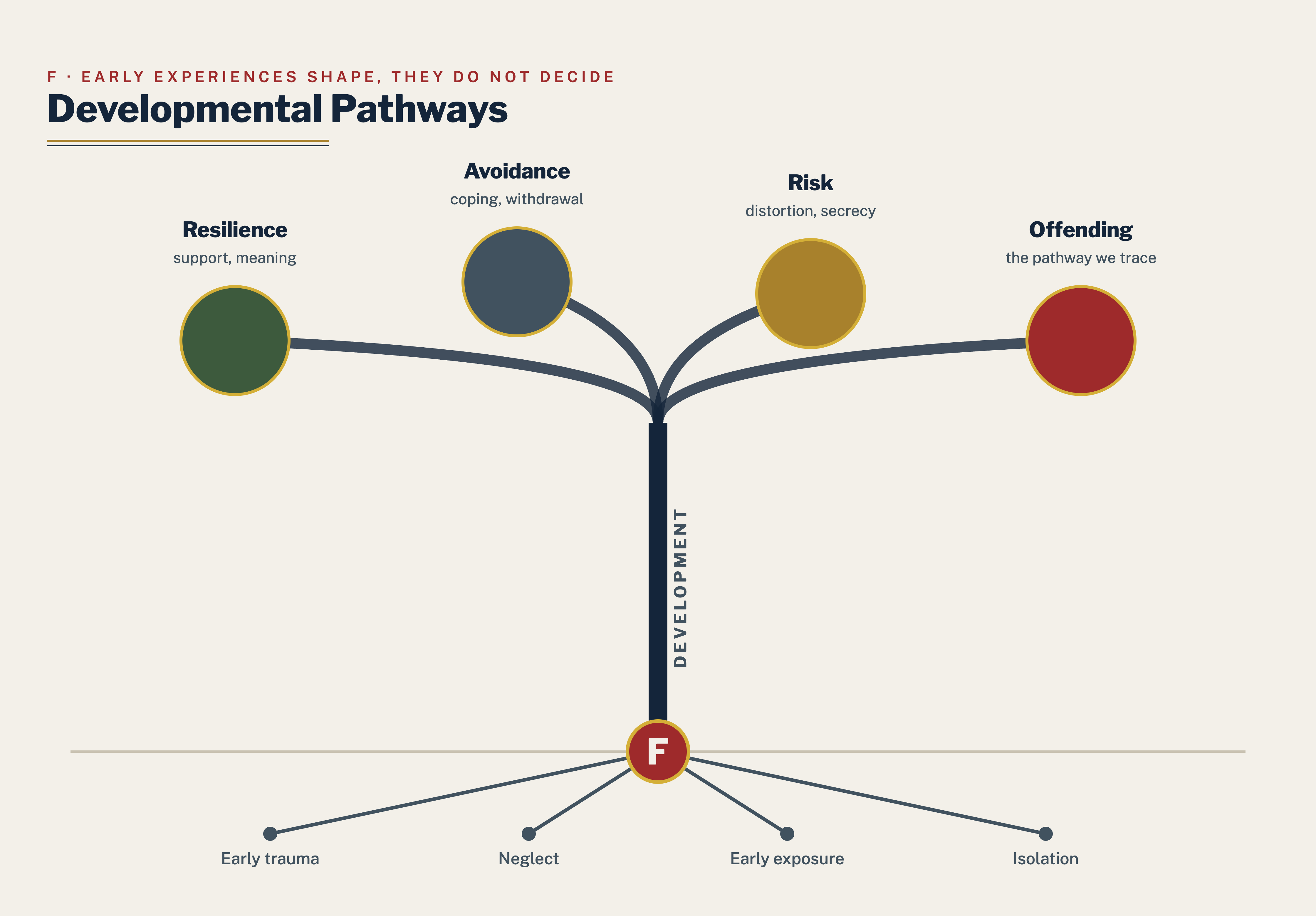
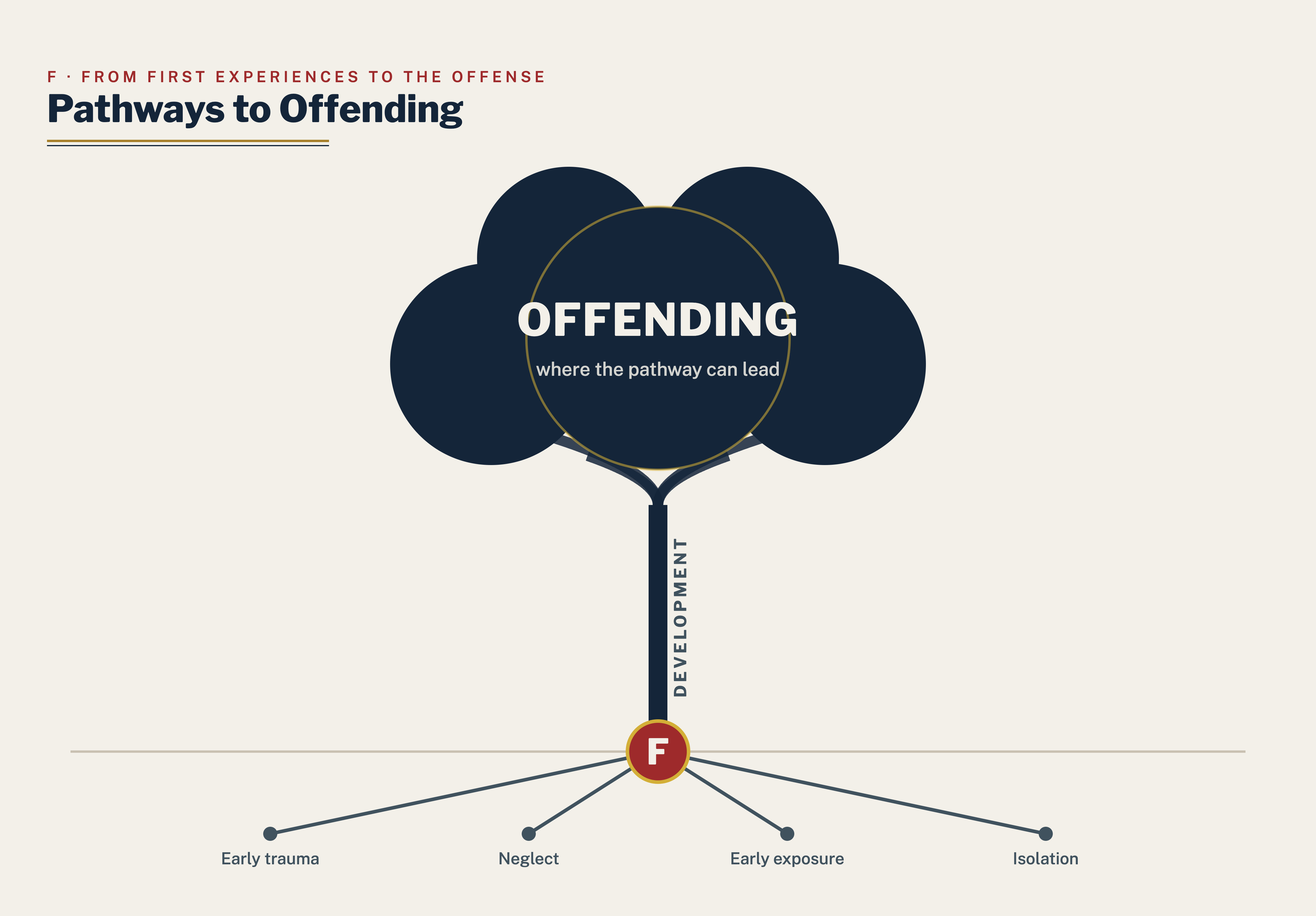
Behavior has a history that starts long before the offense. First experiences shape a person; they do not decide the outcome. Exploring the origin is investigative, not sympathetic.
One early experience can branch toward many outcomes: resilience, avoidance, risk, or offending. Most paths from a hard start do not end in offending. Our work traces the branch that did, to find the turning points that matter in the interview.
The fourth pillar
Evolution
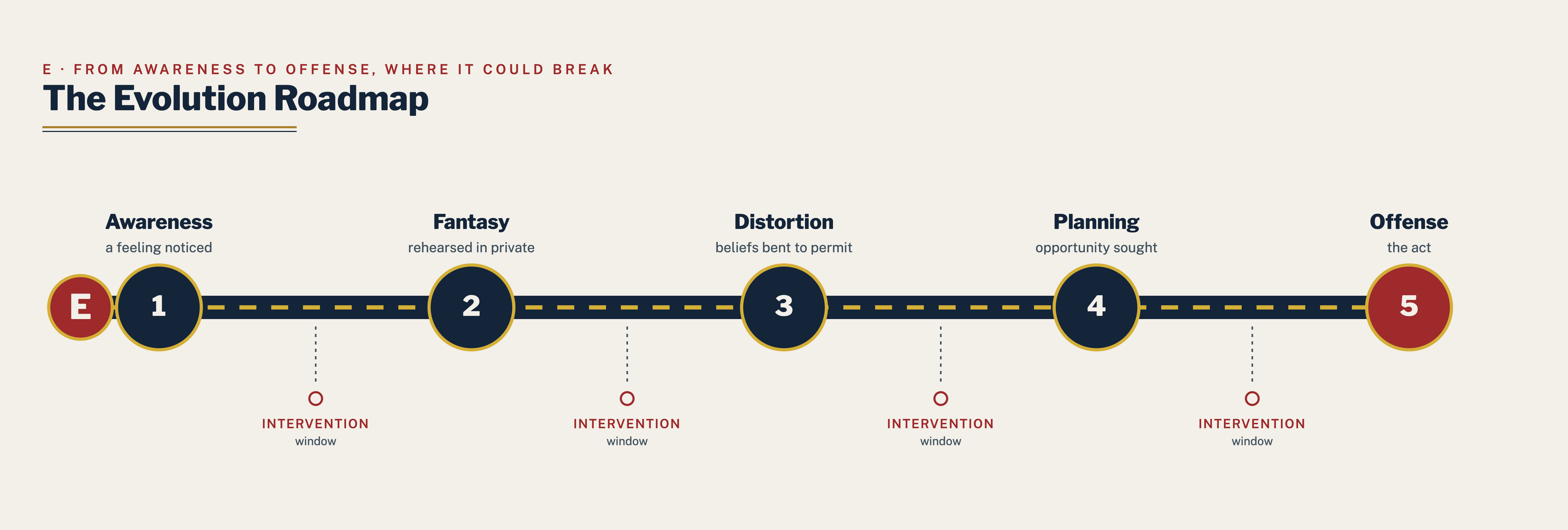
Trace how thinking moved from awareness toward action: awareness, fantasy, rationalization, opportunity, offense. Each stage is a point where the path could have broken, and a place to probe in the interview.
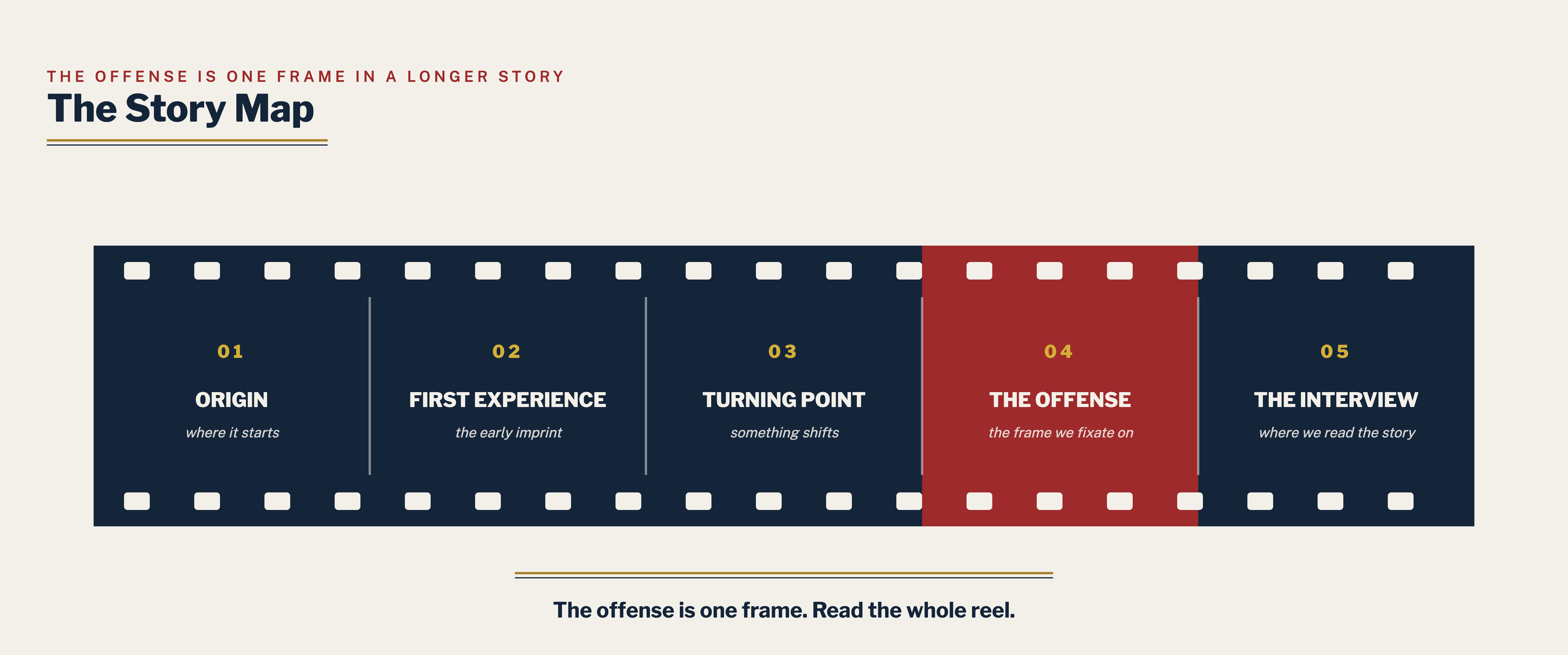
The offense is one frame; read the whole reel. Mapping the story keeps the offense in context without diminishing it. Naming the decision points is where accountability lives.
The fifth pillar
Review
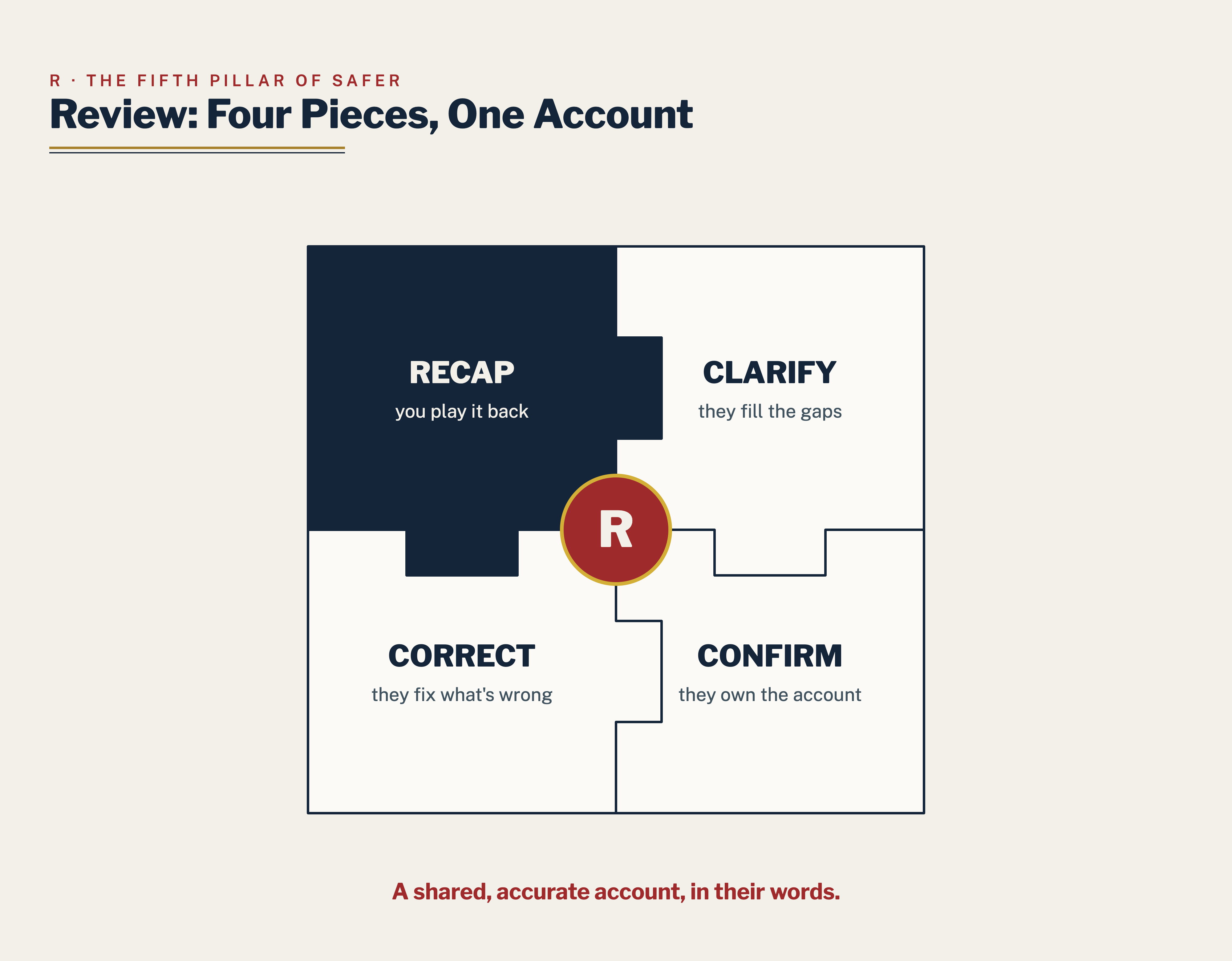
Collaborative accuracy, in their words. You play the account back; they fill the gaps, fix what is wrong, and own the account. The person clarifies and corrects, not you.
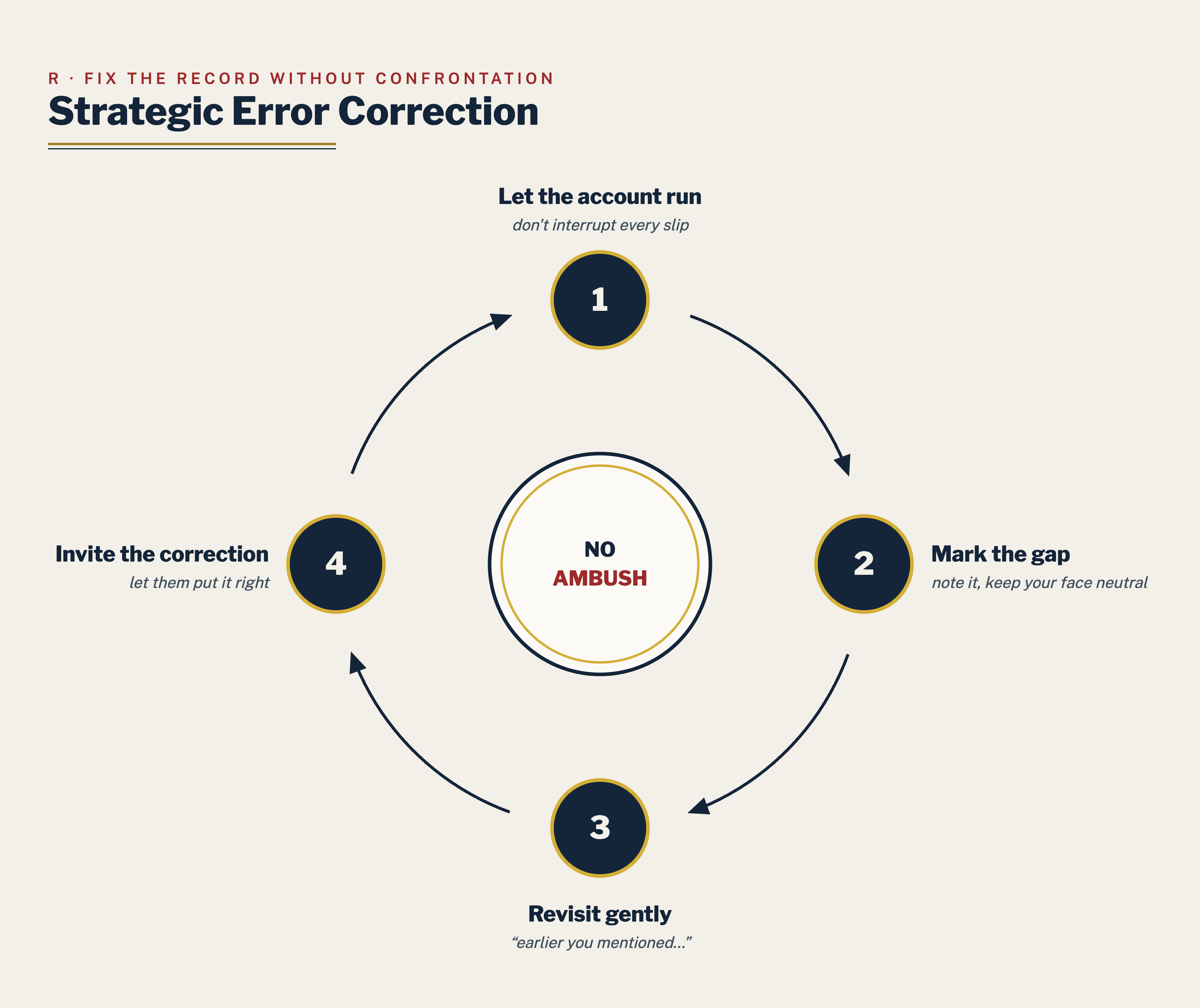
Create chances for them to correct the record without ambush. Correction without confrontation keeps the account open and usable. Their corrections strengthen the account; they do not weaken it.
A shared, accurate account, in their words.